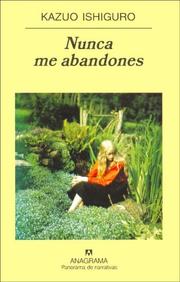
Books like Never Let Me Go
by Kazuo Ishiguro · 2005
Updated June 2026
Book data: Open Library · Taste signals: BookTaste model
Never Let Me Go is Kazuo Ishiguro's 2005 dystopian literary novel — a quiet, devastating story about three friends who grow up in an English boarding school carrying a secret that redefines everything we understand about memory, identity, and what it means to be human. Fans love it for its restrained, aching prose that says the most painful things in the calmest voice, and for the way it uses science fiction as a lens on universal questions of mortality and acceptance. 📖 It doesn't shout its tragedy at you — it lets it seep in, which is why it stays with readers for years.
Picked by taste overlap — not popularity alone.
What to read next

Closest match
The Remains of the Day
Kazuo Ishiguro · 1989
🌫️ Quiet Dread💔 Grief Loss✍️ Literary Prose💔 The closest twin to Never Let Me Go — Ishiguro's Booker Prize winner uses the same quiet, repressed narrator voice to trace a life of wasted love and unexamined choices, arriving at regret with that same soft, annihilating precision.
- Matches
- repressed narrator voice · life defined by duty · devastating late realizations
- Differs
- no sci-fi or dystopia · mid-century England, not futuristic · protagonist has agency, barely uses it
- Skip if
- You want speculative world-building or a plot that moves faster than a butler's measured walk.
Find my next favorite readNo signup · add a few books to build your radar
●●● strong · ●●○ medium · ●○○ light · ○○○ none
Solid = this book · dashed = Never Let Me Go

Station Eleven
Emily St. John Mandel · 2014
🌫️ Quiet Dread💔 Grief Loss🧬 Dystopian Premise🌫️ Like Never Let Me Go, Station Eleven contemplates what survives when civilization strips away the ordinary — its elegiac, non-linear structure and ache for the pre-catastrophe world mirror Ishiguro's tone of tender, irrecoverable loss.
- Matches
- elegiac tone for lost world · quiet dystopian premise · non-linear memory structure
- Differs
- post-apocalyptic scale, not intimate · ensemble cast, no single narrator · more plot momentum
- Skip if
- You want a single close-knit trio and an interior, first-person voice rather than a sweeping multi-character tapestry.
Solid = this book · dashed = Never Let Me Go
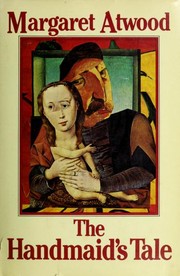
The Handmaid's Tale
Margaret Atwood · 1985
🧬 Dystopian Premise👥 Identity Ethics🌫️ Quiet Dread🧬 Both novels place human bodies as property of the state in dystopias that feel horrifyingly plausible — but where Ishiguro's characters accept their fate in stunned passivity, Atwood's Offred seethes, making the contrast illuminate both books.
- Matches
- body as state property · dystopian horror made intimate · female interiority under oppression
- Differs
- angrier, more overtly political · no boarding-school innocence · explicit violence and sexual coercion
- Skip if
- You can't handle explicit sexual violence or want Ishiguro's gentler, more accepting emotional register.
Solid = this book · dashed = Never Let Me Go
Not similar books. Similar taste.
It reads the grain of every book you've loved — why it stayed with you — and follows that thread to your next read. Not the bestseller list, not the crowd: just your taste. Free, no signup.
Add books you've read; BookTaste builds your taste radar and recommends from it.
Taste radar — read from the themes shared across Never Let Me Go and the picks below
Strongest taste signals: 🌫️ Quiet Dread · 💔 Grief Loss · ✍️ Literary Prose
How taste signals are generated
BookTaste's model reads the themes, moods, settings, and reader hooks of the base book, then scores every pick across those same axes — what overlaps, what diverges. Ordered by taste fit, not by popularity.
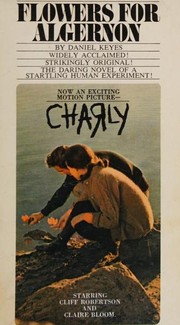
Flowers for Algernon
Daniel Keyes · 1966
👥 Identity Ethics💔 Grief Loss🧬 Dystopian Premise💔 Charlie Gordon's story shares Never Let Me Go's central heartbreak of a protagonist who becomes aware of their own engineered fate — both novels ask whether it's more tragic to never understand what was done to you, or to understand it completely.
- Matches
- protagonist reshaped by science · tragedy of self-awareness · ethics of human experimentation
- Differs
- single character, no friendship trio · told through journals, not retrospective memory · more overt sci-fi premise
- Skip if
- You need the English boarding-school texture and slow dread of social belonging — Keyes is rawer and more science-facing.
Solid = this book · dashed = Never Let Me Go

A Little Life
Hanya Yanagihara · 2015
💔 Grief Loss✍️ Literary Prose🌫️ Quiet Dread💔 A Little Life shares Never Let Me Go's unrelenting grief for a group of friends shaped by childhood trauma they can never escape — both novels weaponize tenderness and restraint until emotional devastation becomes almost unbearable.
- Matches
- long friendship shaped by trauma · grief as the dominant register · intimate literary prose
- Differs
- much longer, more maximalist · explicit abuse and graphic content · contemporary realist, zero sci-fi
- Skip if
- Graphic depictions of child abuse and self-harm will make this unreadable; also skip if you want brevity — it's nearly 900 pages.
Solid = this book · dashed = Never Let Me Go
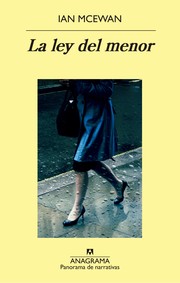
The Children Act
Ian McEwan · 2014
✍️ Literary Prose👥 Identity Ethics🌫️ Quiet Dread🔍 McEwan's novel asks what the state owes to young bodies in its care — its restrained British prose and the gap between institutional logic and private anguish produce an Ishiguro-like unease about duty, authority, and the costs of detachment.
- Matches
- British literary restraint · institutional ethics vs human feeling · quiet devastating conclusion
- Differs
- contemporary realist, no dystopia · adult protagonist, not childhood focus · legal thriller structure underneath
- Skip if
- You want the boarding-school isolation and speculative premise — McEwan stays firmly in recognizable present-day London.
Solid = this book · dashed = Never Let Me Go
Frequently asked
- What makes Never Let Me Go so sad if nothing dramatic happens?
- Ishiguro buries the tragedy in what his narrator Kathy doesn't say — she recounts her childhood with calm acceptance of the unacceptable, and that gap between her tone and the horror of her situation is where all the grief lives. By the time you've caught up to what the book has been telling you all along, it's too late to protect yourself from it. 🌫️
- Is Never Let Me Go science fiction?
- It uses a speculative premise as its engine, but it reads nothing like genre sci-fi — there's no world-building exposition, no technology explained. Ishiguro borrows just enough from science fiction to make the ethical horror feel real, then uses it as a framework for a novel that's really about memory, love, and acceptance of mortality. Readers who hate sci-fi regularly name it among their favourites.
- Are there other books by Ishiguro I should read next?
- Start with The Remains of the Day — same repressed narrator, same architecture of regret, different era and setting, equally devastating. Klara and the Sun (2021) returns explicitly to the questions of personhood and sacrifice from Never Let Me Go, making the two natural companions. 📖
- What should I read if I want something similar but less quiet?
- Try The Handmaid's Tale — it shares the dystopian premise of bodies owned by the state but brings anger and political sharpness where Ishiguro brings stillness. Station Eleven is another good step up in narrative energy while keeping the elegiac, literary tone.
Book data and covers from Open Library. Picks and taste signals are generated by BookTaste's taste model.