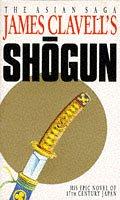
Books like Shogun
by James Clavell · 1975
Updated June 2026
Book data: Open Library · Taste signals: BookTaste model
⚔️ Shogun (1975) drops an English navigator into feudal Japan on the eve of a succession war — and refuses to let him (or the reader) leave. James Clavell builds a world of absolute loyalty, savage politics, and meticulous ritual so immersive that fans describe finishing it as recovering from jet lag. What hooks readers hardest is the dual perspective: you live Japan through a Westerner's bewildered eyes while simultaneously seeing the West through Japanese eyes, and neither side comes out flattering. 🏯
Picked by taste overlap — not popularity alone.
What to read next
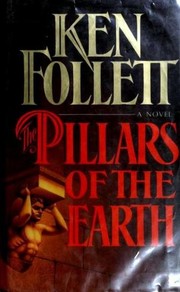
The Pillars of the Earth
Ken Follett · 1989
🏯 Epic Scope⚔️ Court Intrigue📜 Historical Depth🏯 A cathedral built across decades of treachery — Follett's medieval England delivers the same epic-canvas, multi-generational power struggle that makes Shogun so consuming, with church politics standing in for samurai loyalty codes.
- Matches
- multi-decade political chess · immersive historical world · large cast of rivals
- Differs
- European medieval, not Asian · no warrior culture · slower, more domestic pace
- Skip if
- You need the outsider-in-alien-culture hook; Pillars stays squarely within one civilization.
Find my next favorite readNo signup · add a few books to build your radar
●●● strong · ●●○ medium · ●○○ light · ○○○ none
Solid = this book · dashed = Shogun
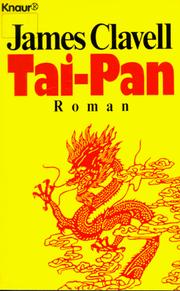
Tai-Pan
James Clavell · 1966
🌏 Immersive World⚔️ Court Intrigue💬 Cultural Clash🌏 The same author's Hong Kong prequel — a British merchant fights Chinese warlords and rival traders to build an empire, carrying every Clavell signature: brutal realpolitik, cross-cultural obsession, and prose that smells of salt water and gunpowder.
- Matches
- same author, same DNA · Western outsider in Asian power struggle · ruthless merchant-warrior protagonist
- Differs
- 19th-century Hong Kong, not feudal Japan · mercantile rather than samurai focus · shorter, faster-paced
- Skip if
- You came for Japan specifically; Tai-Pan is China and feels more commercially driven than spiritually immersive.
Solid = this book · dashed = Shogun
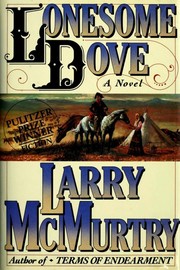
Lonesome Dove
Larry McMurtry · 1985
🏯 Epic Scope🗡️ Military Conflict📜 Historical Depth🗡️ McMurtry's cattle-drive epic matches Shogun's sheer weight and emotional devastation — a 900-page world you inhabit rather than read, with a moral code as rigid as bushido and characters who earn your grief.
- Matches
- doorstop epic, fully inhabited world · honour-bound male protagonists · violent frontier where loyalty is everything
- Differs
- American West, zero Asian setting · no political intrigue, no court factions · elegiac tone, less geopolitical scale
- Skip if
- You specifically want the collision of civilizations and layered political conspiracy; Lonesome Dove is about men on the trail, not power games.
Solid = this book · dashed = Shogun
Not similar books. Similar taste.
It reads the grain of every book you've loved — why it stayed with you — and follows that thread to your next read. Not the bestseller list, not the crowd: just your taste. Free, no signup.
Add books you've read; BookTaste builds your taste radar and recommends from it.
Taste radar — read from the themes shared across Shogun and the picks below
Strongest taste signals: 🏯 Epic Scope · ⚔️ Court Intrigue · 🌏 Immersive World
How taste signals are generated
BookTaste's model reads the themes, moods, settings, and reader hooks of the base book, then scores every pick across those same axes — what overlaps, what diverges. Ordered by taste fit, not by popularity.

The Name of the Rose
Umberto Eco · 1980
🌏 Immersive World⚔️ Court Intrigue📜 Historical Depth📜 A labyrinth of medieval power and forbidden knowledge — Eco's monastery is as claustrophobically complete as Clavell's Japan, and the outsider-detective navigating a world with alien rules mirrors Blackthorne's disorientation beat for beat.
- Matches
- outsider decoding an alien rule-system · dense, immersive historical texture · power hidden behind ritual and ceremony
- Differs
- Italy, not Japan; no samurai or warfare · mystery structure, not power-struggle narrative · far denser, more academic prose
- Skip if
- You want action and battlefield stakes; this is cerebral and slow, a puzzle not a war.
Solid = this book · dashed = Shogun
Goes deeper
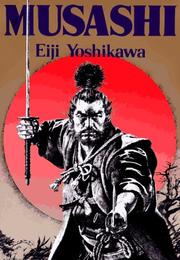
Musashi
Eiji Yoshikawa · 1935
🏯 Epic Scope⚔️ Court Intrigue🌏 Immersive World⚔️ The definitive Japanese samurai epic — written by a Japanese author — that Shogun readers reach for when they want to go deeper into bushido, sword mastery, and the same Sengoku-era world Clavell evokes, without the Western mediating eye.
- Matches
- feudal Japan, Sengoku era, samurai code · multi-year epic following one warrior's growth · honour, discipline, and lethal violence
- Differs
- no Western outsider perspective at all · spiritual journey more than political thriller · longer, more episodic structure
- Skip if
- The outsider-clash is what you loved; Musashi is entirely from within Japanese culture and reads more as a bildungsroman than a geopolitical thriller.
Solid = this book · dashed = Shogun
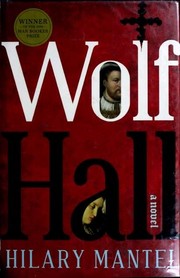
Wolf Hall
Hilary Mantel · 2009
⚔️ Court Intrigue🌏 Immersive World📜 Historical Depth🏯 Mantel's Tudor court is every bit as lethal as Osaka Castle — Thomas Cromwell survives by reading power the way Toranaga does, and the novel's close-third prose creates the same unnerving sense of thinking inside an alien political mind.
- Matches
- survival through court intelligence, not force · immersive historical texture and ritual · protagonist who masters an opaque power system
- Differs
- 16th-century England, entirely European · no military campaigns or battlefield violence · intimate close-third POV, no epic sweep of characters
- Skip if
- You need the culture-shock angle or physical adventure; Wolf Hall is quieter, more psychological, and stays inside one man's calculating head.
Solid = this book · dashed = Shogun
Frequently asked
- Is there a book set in Japan like Shogun but written by a Japanese author?
- Yes — Musashi by Eiji Yoshikawa is the closest match: a massive samurai epic set in the same Sengoku period, written from inside Japanese culture. It trades Clavell's outsider-clash hook for a spiritual journey through sword mastery and honor, but the world feels entirely real because it was built by someone who lived inside it.
- What should I read if I loved the political scheming in Shogun more than the action?
- Go straight to Wolf Hall by Hilary Mantel — Cromwell navigates Henry VIII's court the way Toranaga moves pieces across a board, and Mantel's prose is uncomfortably intimate with how power actually works. If you want the same political chess but on a grander, bloodier canvas, The Pillars of the Earth by Ken Follett spans generations of intrigue.
- Are there other books by James Clavell in the same vein?
- Clavell wrote the Asian Saga — six loosely connected novels. Tai-Pan (Hong Kong, 1842) and King Rat (WWII POW camp) are the most acclaimed after Shogun. Each stands alone; most readers find Shogun the peak but Tai-Pan the second-strongest. 🌏
- How does Shogun compare to Game of Thrones for someone who wants their next big read?
- Shogun has comparable political brutality and a massive cast, but it's rooted in real history (the Battle of Sekigahara, 1600) rather than fantasy. The magic is zero; the power games are just as lethal. If what you loved in Game of Thrones was the court intrigue and the sense that no character is safe, Shogun will scratch that itch — and the prose is leaner, denser, less sprawling.
Book data and covers from Open Library. Picks and taste signals are generated by BookTaste's taste model.