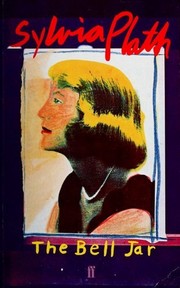
Books like The Bell Jar
by Sylvia Plath · 1948
Updated June 2026
Book data: Open Library · Taste signals: BookTaste model
📖 The Bell Jar is Sylvia Plath's semi-autobiographical 1963 novel about Esther Greenwood, a gifted young woman whose promising New York summer unravels into a descent into mental illness and hospitalisation. Fans return to it for its razor-sharp wit, searing honesty about female ambition and identity, and that suffocating sense of being trapped under glass — watched from outside your own life. It's bleak, darkly funny, and achingly real in a way that still cuts fifty years on.
Picked by taste overlap — not popularity alone.
What to read next
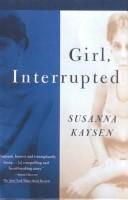
Girl, Interrupted
Susanna Kaysen · 1993
🧠 Mental Illness♀️ Female Identity🏥 A direct institutional parallel: Kaysen's memoir of her two-year psychiatric hospitalisation in the late 1960s shares Plath's unflinching eye for the absurdities of the system and the slippery border between 'sane' and 'unwell' — told with the same cool, detached clarity.
- Matches
- psychiatric ward experience · female narrator questioning reality · sharp observational prose
- Differs
- memoir not fiction · more episodic, less plot-driven · shorter and lighter in overall tone
- Skip if
- You want a novel with narrative momentum — this is fragmented memoir, closer to linked essays than a story.
Personalize with my booksNo signup · add a few books to build your radar
●●● strong · ●●○ medium · ●○○ light · ○○○ none
Solid = this book · dashed = The Bell Jar
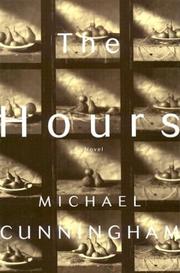
The Hours
Michael Cunningham · 1998
♀️ Female Identity✍️ Literary Voice🌑 Dark Tone📚 Three women, three eras, one suffocating existential weight: Cunningham weaves Virginia Woolf's own mental anguish into a novel that captures the same trapped-in-your-life despair Plath made iconic, with equally precise, lyrical prose.
- Matches
- literary, high-craft prose style · women trapped by social expectation · interior psychological depth
- Differs
- multiple POVs across time · quieter, less confessional · no hospitalisation or breakdown arc
- Skip if
- You want a single sustained voice — the three-strand structure keeps emotional distance from any one character.
Solid = this book · dashed = The Bell Jar
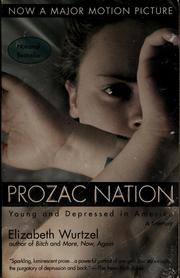
Prozac Nation
Elizabeth Wurtzel · 1994
🧠 Mental Illness♀️ Female Identity😂 Dark Humour😶 Wurtzel's memoir of depression at Harvard in the 1980s is the closest modern heir to Plath's confessional fury — same raw self-exposure, same anger at a world that expects women to be fine, and the same dark wit cutting through the pain.
- Matches
- first-person depression narrative · female ambition vs. collapse · confessional, unsparing voice
- Differs
- memoir not fiction · angrier, more self-indulgent in style · 1980s–90s cultural backdrop
- Skip if
- Wurtzel's narcissistic register grates on some readers — skip if you found Esther occasionally tiresome too.
Solid = this book · dashed = The Bell Jar
Not similar books. Similar taste.
It reads the grain of every book you've loved — why it stayed with you — and follows that thread to your next read. Not the bestseller list, not the crowd: just your taste. Free, no signup.
Add books you've read; BookTaste builds your taste radar and recommends from it.
Taste radar — read from the themes shared across The Bell Jar and the picks below
Strongest taste signals: 🧠 Mental Illness · ♀️ Female Identity · ✍️ Literary Voice
How taste signals are generated
BookTaste's model reads the themes, moods, settings, and reader hooks of the base book, then scores every pick across those same axes — what overlaps, what diverges. Ordered by taste fit, not by popularity.
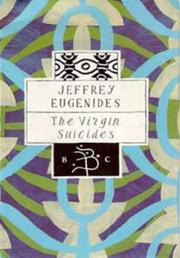
The Virgin Suicides
Jeffrey Eugenides · 1993
♀️ Female Identity🌑 Dark Tone🌫️ Eugenides' debut shares the suffocating suburban entrapment of young women and a hovering sense of tragedy that feels inevitable — same airless, bell-jar atmosphere, though approached from the outside through a collective male gaze that makes the distance itself the point.
- Matches
- female mental anguish as central subject · suffocating social pressure on women · dark, elegiac tone
- Differs
- male author, external POV · surburban 1970s setting · more gothic and mysterious, less confessional
- Skip if
- You want interiority and a female voice in first person — this deliberately withholds it, which frustrates some readers.
Solid = this book · dashed = The Bell Jar
Deep cut
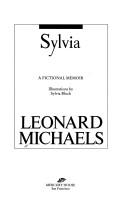
Sylvia
Leonard Michaels · 1992
✍️ Literary Voice🏙️ Mid-Century Setting🌑 Dark Tone🖋️ A slim, brutal novella about a young man's relationship with a brilliant, self-destructive woman in 1960s New York — the closest thing in fiction to being inside Plath's world from another angle, written with the same spare, devastating precision.
- Matches
- 1960s New York milieu · female self-destruction at close range · literary, spare prose style
- Differs
- male narrator's perspective · very short — under 150 pages · less about interiority, more about witness
- Skip if
- You want the woman's own voice, not a man's grief-stricken retrospective — the gendered distance is the whole conceit.
Solid = this book · dashed = The Bell Jar
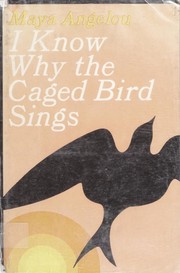
I Know Why the Caged Bird Sings
Maya Angelou · 1969
✍️ Literary Voice💔 Coming of Age♀️ Female Identity✊ A coming-of-age memoir of equal literary stature — Angelou's account of trauma, identity, and fierce self-reconstruction in mid-century America shares Plath's refusal to sanitise pain and the same sense of a brilliant mind finding its way through devastation.
- Matches
- coming of age through trauma · mid-century American setting · powerful, distinctive literary voice
- Differs
- Black Southern experience, not white Northern · ultimately more hopeful arc · memoir, not fiction
- Skip if
- You want psychological inwardness and a narrower focus on mental illness specifically — this is broader in scope and subject.
Solid = this book · dashed = The Bell Jar
Frequently asked
- Is The Bell Jar based on a true story?
- Yes — it's closely autobiographical. Sylvia Plath drew directly from her own 1953 breakdown, hospitalisation, and electroconvulsive therapy treatment. The protagonist Esther Greenwood is essentially Plath herself, and most of the events in the novel happened more or less as described. Plath published it under the pseudonym Victoria Lucas, and it only appeared under her real name after her death.
- What should I read after The Bell Jar if I want something equally dark but more hopeful?
- Try I Know Why the Caged Bird Sings by Maya Angelou — it matches Plath's unflinching honesty about suffering and has the same calibre of literary voice, but its arc moves toward resilience and self-reclamation rather than staying inside the descent. If you want to stay in darker waters, The Hours by Michael Cunningham offers similar existential weight with exquisite prose but slightly more emotional distance.
- Are there any novels like The Bell Jar that deal specifically with psychiatric hospitalisation?
- 🏥 Girl, Interrupted by Susanna Kaysen is the go-to — a memoir of two years in a psychiatric facility in the late 1960s, written with the same cool, observational wit and sharp scepticism about diagnosis and treatment. For a more recent novel, It's Kind of a Funny Story by Ned Vizzini covers a teen's voluntary psychiatric stay and is lighter in tone but shares the institutional setting.
- Is The Bell Jar suitable for readers who are currently struggling with depression?
- It can be profoundly validating — many readers with depression say Plath articulates what they couldn't put into words. But it's also unsparing and contains depictions of suicidal ideation and attempts. If you're in a vulnerable place, it may be worth reading alongside something with a more hopeful register, or saving it for a steadier moment. You are not alone in finding it both painful and necessary.
Book data and covers from Open Library. Picks and taste signals are generated by BookTaste's taste model.