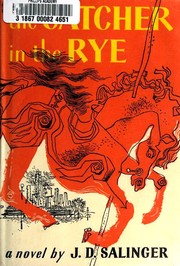
Books like The Catcher in the Rye
by J.D. Salinger · 1945
Updated June 2026
Book data: Open Library · Taste signals: BookTaste model
📖 The Catcher in the Rye is J.D. Salinger's 1951 novel narrated by Holden Caulfield, a disaffected teenager freshly expelled from prep school, drifting through New York City in existential free-fall. Fans love it for its razor-sharp voice — sardonic, wounded, relentlessly honest — and for the way it captures the terror of growing up and seeing through adult phoniness. It's less a plot-driven book than a mood: alienation, longing, and the desperate need to protect innocence in a world that keeps destroying it.
Picked by taste overlap — not popularity alone.
What to read next
The Perks of Being a Wallflower
Stephen Chbosky · 1999
🗣️ Voice-driven🌀 Alienation🎭 Coming-of-age🌀 Like Holden, Charlie narrates his own unraveling in confessional letters — a socially adrift teenager trying to survive high school and a hidden trauma he can barely name.
- Matches
- confessional first-person voice · teenage alienation and sensitivity · mental health at the edge
- Differs
- more warmth and found-family · late-1990s suburban setting · epistolary format, not stream-of-consciousness
- Skip if
- You want the cold irony and city grit of Salinger — Chbosky is gentler and more openly emotional.
Personalize with my booksNo signup · add a few books to build your radar
●●● strong · ●●○ medium · ●○○ light · ○○○ none
Solid = this book · dashed = The Catcher in the Rye
A Separate Peace
John Knowles · 1959
🎭 Coming-of-age💔 Melancholy🌿 Literary realism🏫 Set in a New England prep school — the same world Holden fled — Gene's retrospective guilt over a friendship's destruction mirrors Holden's obsessive replaying of loss.
- Matches
- elite prep-school backdrop · grief for lost innocence · introspective male narrator
- Differs
- calmer, retrospective tone · friendship betrayal is the core · no city wandering
- Skip if
- You're drawn to Holden's live-wire energy — Knowles is more quiet and controlled.
Solid = this book · dashed = The Catcher in the Rye

Franny and Zooey
J.D. Salinger · 1961
🗣️ Voice-driven🌀 Alienation😤 Anti-authority📚 Salinger's own follow-up: Franny Glass has Holden's exact disgust with phonies and the same spiritual crisis, just refracted through a brilliant college girl on the verge of breakdown.
- Matches
- same Salinger voice and wit · hatred of pretension and performers · spiritual searching beneath sarcasm
- Differs
- older protagonists, college not high school · more dialogue-driven, two-character focus · explicitly religious themes
- Skip if
- You want propulsive narrative movement — this is almost entirely conversation and interiority.
Solid = this book · dashed = The Catcher in the Rye
Not similar books. Similar taste.
It reads the grain of every book you've loved — why it stayed with you — and follows that thread to your next read. Not the bestseller list, not the crowd: just your taste. Free, no signup.
Add books you've read; BookTaste builds your taste radar and recommends from it.
Taste radar — read from the themes shared across The Catcher in the Rye and the picks below
Strongest taste signals: 🗣️ Voice-driven · 🌀 Alienation · 🎭 Coming-of-age
How taste signals are generated
BookTaste's model reads the themes, moods, settings, and reader hooks of the base book, then scores every pick across those same axes — what overlaps, what diverges. Ordered by taste fit, not by popularity.
Stoner
John Williams · 1965
🌀 Alienation💔 Melancholy🌿 Literary realism🕯️ William Stoner floats through his own life feeling fundamentally out of place — the same quiet tragedy of a man who never quite fits, rendered in prose of devastating precision.
- Matches
- deep interiority and self-alienation · melancholy literary voice · life as quiet disappointment
- Differs
- adult protagonist, spans decades · zero adolescent energy · no rebellion — passive acceptance
- Skip if
- You need teenage rawness and rebellion — Stoner is the resigned, adult version of that same sadness.
Solid = this book · dashed = The Catcher in the Rye
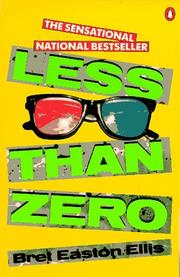
Less Than Zero
Bret Easton Ellis · 1985
🌀 Alienation🏙️ Urban drift😤 Anti-authority🏙️ Clay returns to L.A. after his first semester away and finds only moral emptiness behind the wealth and glamour — the same hollow, drifting alienation Holden felt, dialed up to nihilistic 80s extremes.
- Matches
- narrator adrift in wealthy privilege · alienation and disillusionment · urban aimlessness
- Differs
- much darker, explicit drug use and violence · colder, deliberately flat affect — no Holden warmth · no warmth or idealism at all
- Skip if
- Holden's tenderness for innocence is why you love the book — Ellis has none of that; this is deliberately bleak.
Solid = this book · dashed = The Catcher in the Rye
Goes deeper
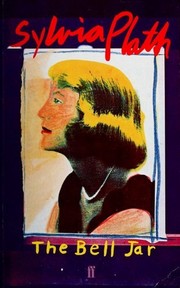
The Bell Jar
Sylvia Plath · 1963
🗣️ Voice-driven🌀 Alienation💔 Melancholy🔔 Esther Greenwood's breakdown in New York is The Catcher in the Rye's spiritual twin — the same suffocating phoniness, the same inability to perform normalcy, only Plath goes further into the darkness Holden keeps circling.
- Matches
- brilliant narrator cracking under social performance · same mid-century New York backdrop · voice that skewers hypocrisy with dark wit
- Differs
- female perspective and gendered pressures · depicts full psychiatric hospitalization · autobiographical weight
- Skip if
- You want a male coming-of-age story or are sensitive to detailed depictions of depression and suicide attempts.
Solid = this book · dashed = The Catcher in the Rye
Frequently asked
- What makes a book similar to The Catcher in the Rye?
- The defining quality is voice — a first-person narrator so distinctive you feel trapped inside their skull, usually alienated, sardonic, and hypersensitive to phoniness. Beyond voice, look for coming-of-age drift (a character unmoored between childhood and adulthood) and a mood of melancholy idealism: someone who desperately wants the world to be better than it is.
- Is there anything more recent with the same feel?
- Stephen Chbosky's The Perks of Being a Wallflower (1999) is the closest modern equivalent — same confessional tone, same outsider sensitivity. For something even newer, Ottessa Moshfegh's work (My Year of Rest and Relaxation) channels that same alienated, deadpan voice, though aimed squarely at adults.
- What if I want something darker than Catcher in the Rye?
- Try The Bell Jar by Sylvia Plath for the same milieu but a deeper descent into mental illness, or Less Than Zero by Bret Easton Ellis for pure nihilism — no Holden warmth, just the void. Both keep the alienated-youth premise and push it further than Salinger did.
- Are there books like Catcher in the Rye that are easier to get into?
- The Perks of Being a Wallflower is the most accessible entry point — shorter, warmer, and emotionally direct where Salinger is oblique. A Separate Peace is also a gentle on-ramp: same prep-school world, same loss-of-innocence ache, but more conventionally plotted and less reliant on voice alone.
Book data and covers from Open Library. Picks and taste signals are generated by BookTaste's taste model.