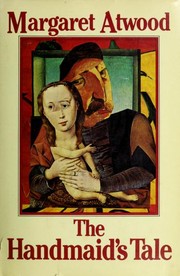
Books like The Handmaid's Tale
by Margaret Atwood · 1985
Updated June 2026
Book data: Open Library · Taste signals: BookTaste model
📖 The Handmaid's Tale is Margaret Atwood's 1985 masterwork of speculative fiction — a chilling account of Offred, a woman stripped of her name and autonomy in the theocratic Republic of Gilead, where fertile women are forced into reproductive servitude. Fans love it for its suffocating, immersive atmosphere, its quiet rage, and the way it transforms mundane domestic detail into horror. It's a book that feels urgently prophetic: political, intimate, and impossible to shake.
Picked by taste overlap — not popularity alone.
What to read next
Closest match
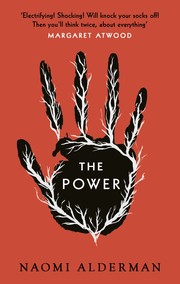
The Power
Naomi Alderman · 2016
♀️ Female Oppression🏛️ Dystopian Society✊ Resistance & Agency✊ Like The Handmaid's Tale, The Power inverts the gender order entirely — when women develop the ability to electrocute men at will, the novel asks whether power corrupts regardless of who holds it, mirroring Atwood's interrogation of patriarchal control.
- Matches
- gender-based systemic oppression · speculative near-future world · political allegory on power
- Differs
- women hold power, not men · global scope, not single nation · satirical and darkly comic tone
- Skip if
- You want a single intimate narrator and claustrophobic interiority — The Power is wider in scope and more satirical than immersive.
Find my next favorite readNo signup · add a few books to build your radar
●●● strong · ●●○ medium · ●○○ light · ○○○ none
Solid = this book · dashed = The Handmaid's Tale

Vox
Christina Dalcher · 2018
♀️ Female Oppression🏛️ Dystopian Society🔇 Quiet Dread🔇 In Vox, women are legally limited to 100 spoken words per day — this tight, explicit control of female voice and presence echoes Gilead's erasure of women's identities, making it one of the most direct Atwood successors.
- Matches
- women controlled by patriarchal state · dystopian near-future USA · intimate first-person dread
- Differs
- faster-paced thriller structure · more explicit resistance plot · less literary prose style
- Skip if
- You prize Atwood's layered prose and ambiguity over plot momentum — Vox leans into thriller pacing at the expense of literary depth.
Solid = this book · dashed = The Handmaid's Tale
Oryx and Crake
Margaret Atwood · 2003
🏛️ Dystopian Society💬 Political Allegory🏛️ Atwood's own Oryx and Crake delivers the same prophetic speculative dread through a post-apocalyptic lens — corporate biotech replaces theocracy as the engine of dehumanization, and the narrative's structural disorientation mirrors Offred's fractured memory.
- Matches
- speculative near-future collapse · Atwood's signature restrained prose · systemic exploitation of bodies
- Differs
- male protagonist · science/biotech focus, not religion · post-apocalyptic rather than totalitarian
- Skip if
- You specifically want a female-centric story of oppression — Oryx and Crake centers a male perspective and feels more sci-fi than feminist thriller.
Solid = this book · dashed = The Handmaid's Tale
Not similar books. Similar taste.
It reads the grain of every book you've loved — why it stayed with you — and follows that thread to your next read. Not the bestseller list, not the crowd: just your taste. Free, no signup.
Add books you've read; BookTaste builds your taste radar and recommends from it.
Taste radar — read from the themes shared across The Handmaid's Tale and the picks below
Strongest taste signals: 🏛️ Dystopian Society · ♀️ Female Oppression · 🔇 Quiet Dread
How taste signals are generated
BookTaste's model reads the themes, moods, settings, and reader hooks of the base book, then scores every pick across those same axes — what overlaps, what diverges. Ordered by taste fit, not by popularity.

Station Eleven
Emily St. John Mandel · 2014
🔇 Quiet Dread🏛️ Dystopian Society🔇 Station Eleven shares The Handmaid's Tale's haunting elegiac tone and fascination with what survives collapse — both books use fragmented memory and intimate detail to make a broken world feel devastatingly real.
- Matches
- quiet literary dread · civilizational collapse reimagined · fragmented nonlinear structure
- Differs
- no gender-based oppression · hopeful, not bleak resolution · ensemble cast, not single narrator
- Skip if
- You want feminist rage or explicit political allegory — Station Eleven is meditative and apolitical by comparison.
Solid = this book · dashed = The Handmaid's Tale
1984
George Orwell · 1949
🏛️ Dystopian Society💬 Political Allegory❤️🔥 Forbidden Romance🏛️ The original blueprint for totalitarian fiction: pervasive surveillance, rewritten history, and the annihilation of private selfhood in Oceania map directly onto Gilead's architecture of control, making this the essential companion text.
- Matches
- totalitarian state erasing individuality · surveillance and thought control · forbidden love under regime
- Differs
- male protagonist and perspective · no feminist lens · bleaker, more nihilistic ending
- Skip if
- You want a specifically female-centered story — 1984's protagonist is male and Orwell's treatment of women hasn't aged well.
Solid = this book · dashed = The Handmaid's Tale
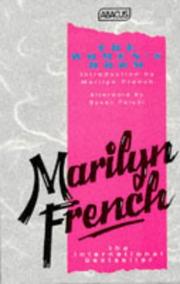
The Women's Room
Marilyn French · 1977
♀️ Female Oppression✊ Resistance & Agency✊ The Women's Room translates Atwood's fury into realist fiction — the slow, suffocating erasure of women within marriage and society is documented with the same unflinching intimacy that makes Offred's testimony so devastating.
- Matches
- women's autonomy systematically denied · intimate first-person interiority · political feminist rage
- Differs
- realistic, not speculative or dystopian · 1950s-70s suburban USA setting · longer, denser, more explicitly polemical
- Skip if
- You need the speculative hook — The Women's Room is straight literary realism and can feel dense and polemical if you came for dystopian worldbuilding.
Solid = this book · dashed = The Handmaid's Tale
Frequently asked
- Is The Testaments worth reading after The Handmaid's Tale?
- Yes — The Testaments (2019) is Atwood's own sequel, set 15 years later, and it's genuinely excellent rather than a cash-in. It shifts to multiple narrators including Aunt Lydia herself, trading Offred's claustrophobia for a broader, more plot-driven story. Read it once you've processed the original.
- What if I want something darker and more brutal than The Handmaid's Tale?
- Try *Naomi Alderman's The Power** or, for something even more viscerally brutal, The Girls by Emma Cline — though that's more cult thriller than dystopia. If you want the same political ferocity dialed up, Atwood's own Alias Grace* goes darker on violence while staying literary.
- Are there books like The Handmaid's Tale that have a hopeful ending?
- 🌱 Station Eleven and The Power both end with more light than darkness. For feminist dystopia with genuine hope woven through, The Fifth Season by N.K. Jemisin is worth considering — it's more fantastical but shares the oppressive world-building and eventually delivers something hard-won and redemptive.
- What makes The Handmaid's Tale different from other dystopian novels?
- Most dystopias (Orwell, Huxley) center male protagonists surveying a broken world from the outside. Atwood puts a woman inside the machinery of oppression, making the horror domestic, bodily, and mundanely intimate. The threat is not a boot stamping on a face — it's a white-capped walk to the grocery store.
Book data and covers from Open Library. Picks and taste signals are generated by BookTaste's taste model.