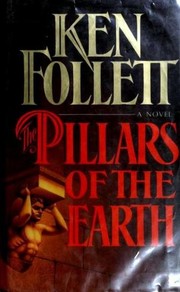
Books like The Pillars of the Earth
by Ken Follett · 1989
Updated June 2026
Book data: Open Library · Taste signals: BookTaste model
🏰 The Pillars of the Earth is Ken Follett's 1989 epic set in 12th-century England, following the decades-long struggle to build a cathedral in the fictional town of Kingsbridge. Fans love it for its sweeping cast of characters — saints, schemers, bishops, and builders — all tangled in power, faith, and survival. It hits that rare sweet spot of gripping personal drama embedded inside massive historical change, with enough architectural passion to make you genuinely care about a stone arch. The sense of time passing, generations rising, and a community slowly forged through hardship is what keeps readers up at night.
Picked by taste overlap — not popularity alone.
What to read next
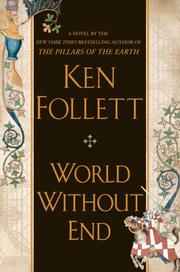
World Without End
Ken Follett · 2007
🏰 Medieval Epic📜 Historical Depth⚔️ Political Intrigue🏰 The direct sequel set two centuries later — Follett returns to Kingsbridge with the same multigenerational structure, the same tug-of-war between church authority and human ambition, and another epic building project at the center of it all.
- Matches
- same Kingsbridge world and tone · multigenerational epic sweep · church vs. commoner power struggle
- Differs
- set in 14th century, Black Death era · slightly longer, slower paced · no cathedral construction focus
- Skip if
- You wanted to leave Kingsbridge behind and explore a completely different world — this is more of the same, for better or worse.
Find my next favorite readNo signup · add a few books to build your radar
●●● strong · ●●○ medium · ●○○ light · ○○○ none
Solid = this book · dashed = The Pillars of the Earth
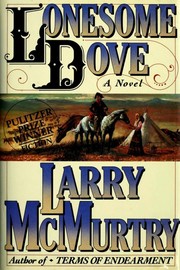
Lonesome Dove
Larry McMurtry · 1985
👥 Ensemble Cast📜 Historical Depth🤠 The same sprawling, character-driven epic feeling — Lonesome Dove is often called the Pillars of the Earth of the American West, with an enormous cast whose fates intertwine across a years-long cattle drive full of violence, loyalty, and loss.
- Matches
- massive ensemble of vivid characters · epic journey spanning years · intimate deaths that hit like a gut punch
- Differs
- American frontier, not medieval Europe · no political or ecclesiastical scheming · more episodic, less architectural
- Skip if
- You specifically want the medieval European setting, religious conflict, or the slow construction of something lasting — Lonesome Dove is pure frontier.
Solid = this book · dashed = The Pillars of the Earth
Shogun
James Clavell · 1975
⚔️ Political Intrigue📜 Historical Depth👥 Ensemble Cast⛩️ Feudal Japan replaces medieval England but the DNA is identical: an outsider thrown into a rigidly hierarchical society, political machinations at every level, and the slow education of both protagonist and reader into a fully realized historical world.
- Matches
- outsider navigating unfamiliar power structures · rich, immersive historical world-building · political intrigue woven into personal survival
- Differs
- 16th-century Japan, not England · more military strategy, less religion · stranger protagonist arc — a shipwrecked English navigator
- Skip if
- You have no patience for lengthy cultural immersion or a protagonist who spends most of the book bewildered and adapting.
Solid = this book · dashed = The Pillars of the Earth
Not similar books. Similar taste.
It reads the grain of every book you've loved — why it stayed with you — and follows that thread to your next read. Not the bestseller list, not the crowd: just your taste. Free, no signup.
Add books you've read; BookTaste builds your taste radar and recommends from it.
Taste radar — read from the themes shared across The Pillars of the Earth and the picks below
Strongest taste signals: 🏰 Medieval Epic · 📜 Historical Depth · ⚔️ Political Intrigue
How taste signals are generated
BookTaste's model reads the themes, moods, settings, and reader hooks of the base book, then scores every pick across those same axes — what overlaps, what diverges. Ordered by taste fit, not by popularity.

The Name of the Rose
Umberto Eco · 1980
📜 Historical Depth⚔️ Political Intrigue📜 Medieval monastery, murderous intrigue, and theological obsession — Eco's novel shares Follett's love of period texture and ecclesiastical politics, but narrows its scope to a single abbey over one terrifying week.
- Matches
- medieval religious institution as power center · church politics and corruption exposed · meticulous period atmosphere
- Differs
- single-location mystery, not multigenerational epic · dense, scholarly prose — genuinely demanding · no construction or community-building arc
- Skip if
- You read Pillars for the sweeping time scale and many characters — this is a claustrophobic intellectual puzzle, not a saga.
Solid = this book · dashed = The Pillars of the Earth
Goes deeper
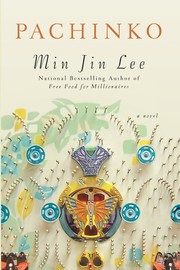
Pachinko
Min Jin Lee · 2017
👥 Ensemble Cast📜 Historical Depth👨👩👧👦 The same multigenerational heartbreak across four generations — Pachinko follows a Korean family through decades of discrimination, sacrifice, and survival in Japan, with the same emotional architecture as Pillars: ordinary people crushed and shaped by history's indifferent machinery.
- Matches
- four-generation family saga · ordinary lives reshaped by historical forces · ensemble cast with equal weight given to every generation
- Differs
- 20th-century Korea and Japan, not medieval Europe · no political scheming or action — quieter, more interior · no single grand project tying the story together
- Skip if
- You want medieval adventure, battles, or building projects — Pachinko is slow, quiet, and emigrant-family drama all the way through.
Solid = this book · dashed = The Pillars of the Earth
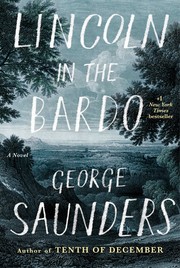
Lincoln in the Bardo
George Saunders · 2017
👥 Ensemble Cast📜 Historical Depth🕯️ A radically different form, but Saunders shares Follett's gift for an ensemble of vivid voices pressing against history — here, the ghosts haunting the night Lincoln visits his dead son, all of them rendered with fierce particularity.
- Matches
- enormous cast of distinct voices · history felt through personal grief · grand public events filtered through intimate human cost
- Differs
- experimental, fragmented form — not a conventional narrative · very short, not epic · no medieval setting, politics, or action
- Skip if
- You want plot-driven, chronological storytelling — this is an avant-garde literary novel that rewards patience with structure, not pace.
Solid = this book · dashed = The Pillars of the Earth
Frequently asked
- Is World Without End as good as The Pillars of the Earth?
- Most fans say it's very good but not quite as gripping as the original — the Kingsbridge magic is still there, and the Black Death setting gives it real weight, but Pillars benefits from being first, with that shock of discovering the world. If you loved Pillars, you'll still read World Without End in one ravenous week.
- Are there books like Pillars of the Earth but faster paced?
- Shogun (James Clavell) gives you the same immersive historical world and political scheming with a tighter, more propulsive plot — the outsider-in-crisis engine keeps things moving. If you want something even leaner, The Name of the Rose by Umberto Eco delivers medieval intrigue in a single-week mystery format, though the prose is denser.
- What makes The Pillars of the Earth different from other historical fiction?
- It's the combination of genuine craft obsession — Follett actually makes you care about Gothic architecture — with a multigenerational soap-opera scale and genuinely villainous antagonists who feel historically real, not pantomime. Most historical fiction picks one of those; Pillars does all three simultaneously. 🏰
- Are there similar books set outside medieval England?
- Yes — Shogun (feudal Japan), Lonesome Dove (American West), and Pachinko (Korea and Japan across the 20th century) all share that same multigenerational, character-dense, history-as-backdrop epic quality, just in entirely different settings. Each scratches the "big book about people shaped by their era" itch that Pillars uniquely satisfies.
Book data and covers from Open Library. Picks and taste signals are generated by BookTaste's taste model.