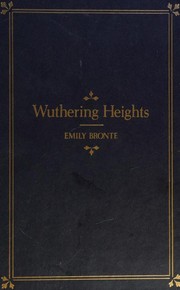
Books like Wuthering Heights
by Emily Brontë · 1846
Updated June 2026
Book data: Open Library · Taste signals: BookTaste model
🌩️ Published in 1847, Wuthering Heights is Emily Brontë's only novel — a Gothic romance set on the storm-lashed Yorkshire moors where a consuming, destructive love between Heathcliff and Catherine plays out across two generations. Fans are drawn to its raw emotional intensity, morally complex characters who defy easy sympathy, and an atmosphere so thick with brooding darkness it feels almost supernatural. It's not a comfort read — it's an obsession, a fever dream of passion and revenge that lingers long after the final page.
Picked by taste overlap — not popularity alone.
What to read next
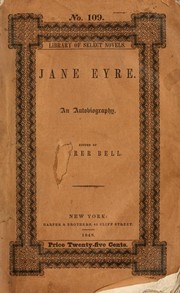
Jane Eyre
Charlotte Brontë · 1847
🌑 Gothic Atmosphere💔 Doomed Romance🏰 Period Setting🏚️ Written by Emily's sister the same year, Jane Eyre shares the brooding Gothic manor, the tormented and secretive hero, and a heroine navigating a love that threatens to consume her — but channels those dark forces into a story of self-determination rather than pure destruction.
- Matches
- Gothic manor and dark secrets · passionate restrained romance · isolated Yorkshire landscape
- Differs
- hopeful ending, not tragedy · stronger feminist arc · less pure obsession, more agency
- Skip if
- You want the relentless nihilism of Heathcliff — Rochester is damaged but ultimately redeemable, and the ending is far warmer.
Find my next favorite readNo signup · add a few books to build your radar
●●● strong · ●●○ medium · ●○○ light · ○○○ none
Solid = this book · dashed = Wuthering Heights
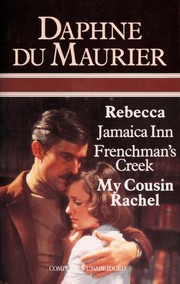
Rebecca
Daphne du Maurier · 1938
🌑 Gothic Atmosphere🗡️ Dark Obsession🏰 Period Setting🕯️ Du Maurier's masterpiece delivers the same oppressive Gothic atmosphere and a brooding, obsessive man haunted by his past, with a nameless narrator slowly suffocated by the shadow of a woman who is gone but never truly absent.
- Matches
- Gothic atmosphere and dread · obsessive dangerous love · dark secrets in a grand house
- Differs
- 20th century, not Victorian · psychological thriller tone · no revenge plot
- Skip if
- You need the volcanic, mutual passion of Catherine and Heathcliff — the romance here is quieter, built more on dread and insecurity than wild love.
Solid = this book · dashed = Wuthering Heights
Tess of the d'Urbervilles
Thomas Hardy · 1891
💔 Doomed Romance🏰 Period Setting🌿 Rural Isolation🌾 Hardy's devastating Victorian novel shares Wuthering Heights' refusal to offer easy redemption, trapping its protagonist in a world where passion and social cruelty conspire to produce inevitable tragedy — and leaving readers equally wrecked.
- Matches
- bleak tragic ending · Victorian rural England · societal forces crushing love
- Differs
- more social critique, less Gothic · female protagonist's suffering centred · no supernatural atmosphere
- Skip if
- You're drawn primarily to the Gothic, eerie moor setting — Hardy's tragedy is realist and earthbound, not atmospheric in the same way.
Solid = this book · dashed = Wuthering Heights
Not similar books. Similar taste.
It reads the grain of every book you've loved — why it stayed with you — and follows that thread to your next read. Not the bestseller list, not the crowd: just your taste. Free, no signup.
Add books you've read; BookTaste builds your taste radar and recommends from it.
Taste radar — read from the themes shared across Wuthering Heights and the picks below
Strongest taste signals: 🌑 Gothic Atmosphere · 💔 Doomed Romance · 🗡️ Dark Obsession
How taste signals are generated
BookTaste's model reads the themes, moods, settings, and reader hooks of the base book, then scores every pick across those same axes — what overlaps, what diverges. Ordered by taste fit, not by popularity.

The Secret History
Donna Tartt · 1992
🗡️ Dark Obsession👤 Morally Grey🌑 Gothic Atmosphere🍂 Tartt's debut shares Wuthering Heights' core obsession: a narrator in thrall to a charismatic, morally opaque figure, the seductive pull of a closed world with its own dark logic, and a tragic unravelling that feels both inevitable and catastrophic.
- Matches
- dark obsession with charismatic figure · moral ambiguity throughout · slow dread building to violence
- Differs
- contemporary American campus setting · murder mystery structure · no romance as central axis
- Skip if
- You want a sweeping love story at the centre — the bonds here are intellectual and conspiratorial, not romantic passion.
Solid = this book · dashed = Wuthering Heights
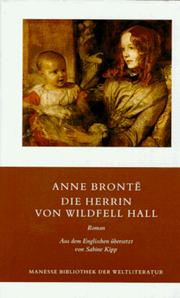
The Tenant of Wildfell Hall
Anne Brontë · 1848
🌑 Gothic Atmosphere💔 Doomed Romance🏰 Period Setting🪟 The third Brontë sister's radical novel is Wuthering Heights' direct counterpart: a Gothic house harbouring a dark secret, a heroine fleeing a destructive husband, and an unflinching portrait of obsessive love turned to ruin — but with righteous anger where Emily chose tragedy.
- Matches
- Gothic isolated house · destructive marriage and obsession · Brontë-era Yorkshire world
- Differs
- more feminist and morally clear · the dangerous man is the villain, not the hero · resolution not pure tragedy
- Skip if
- You specifically love Heathcliff as an anti-hero you root for despite yourself — here the 'Heathcliff figure' is unambiguously the antagonist.
Solid = this book · dashed = Wuthering Heights
Goes deeper
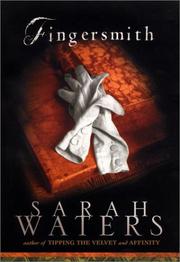
Fingersmith
Sarah Waters · 2002
🌑 Gothic Atmosphere🗡️ Dark Obsession🔥 Slow Burn🗝️ Waters conjures a Victorian Gothic world of secrets, obsession and betrayal that rivals the emotional devastation of Wuthering Heights, layering a con-plot with a passionate love that is itself a kind of destruction — and a plot twist that reframes everything.
- Matches
- Victorian Gothic atmosphere · obsessive consuming love · dark secrets and betrayal
- Differs
- lesbian romance at centre · thriller plot mechanics · more plot-driven, less lyrical prose
- Skip if
- You need the wild, elemental moors setting and mythic tone — Waters is more gaslit-parlour Gothic, intricate and plotted rather than atmospheric and lyrical.
Solid = this book · dashed = Wuthering Heights
Frequently asked
- Is Wuthering Heights actually a romance?
- It depends on what you mean. Wuthering Heights contains one of literature's most famous love stories, but it's not a romance in the comforting sense — there's no happy ending, and both central characters are deeply self-destructive. Think of it as love as a force of nature: beautiful, indifferent, and devastating. If you want something with the same intensity but a more satisfying resolution, start with Jane Eyre.
- What makes Wuthering Heights so different from other Victorian novels?
- Emily Brontë refused to moralize. Where most Victorian fiction punished its villains and rewarded virtue, Wuthering Heights gives us Heathcliff — cruel, vengeful, magnetic — and asks us to feel for him anyway. The novel also breaks structural conventions with its nested narrators and non-linear timeline. It felt so alien to contemporary readers that many assumed a man had written it. 🌑
- Are there modern books with the same dark, obsessive love?
- Yes — the closest modern heirs are books that refuse to sanitize passion. *Donna Tartt's The Secret History** captures the same gravitational pull toward a dangerous figure; Sarah Waters' Fingersmith delivers the Victorian Gothic betrayal in a more plotted form. For something rawer and more lyrical, Anne Michaels' Fugitive Pieces* scratches a similar emotional register. 🔥
- What should I read if I loved the moors atmosphere but want something less bleak?
- Jane Eyre is the obvious answer — same brooding Yorkshire landscape and Gothic manor, same era, but Charlotte Brontë lets her heroine win. Rebecca by Daphne du Maurier transplants a similar atmosphere to Cornwall and the 1930s with a psychological-thriller twist, and while it's tense and unsettling, the ending offers a kind of dark relief rather than pure devastation. 🏰
Book data and covers from Open Library. Picks and taste signals are generated by BookTaste's taste model.